Delivery
Read the building before you sign
A warm shell hands you a floor and a set of assumptions. Technical due diligence is where you find out which of them are true.
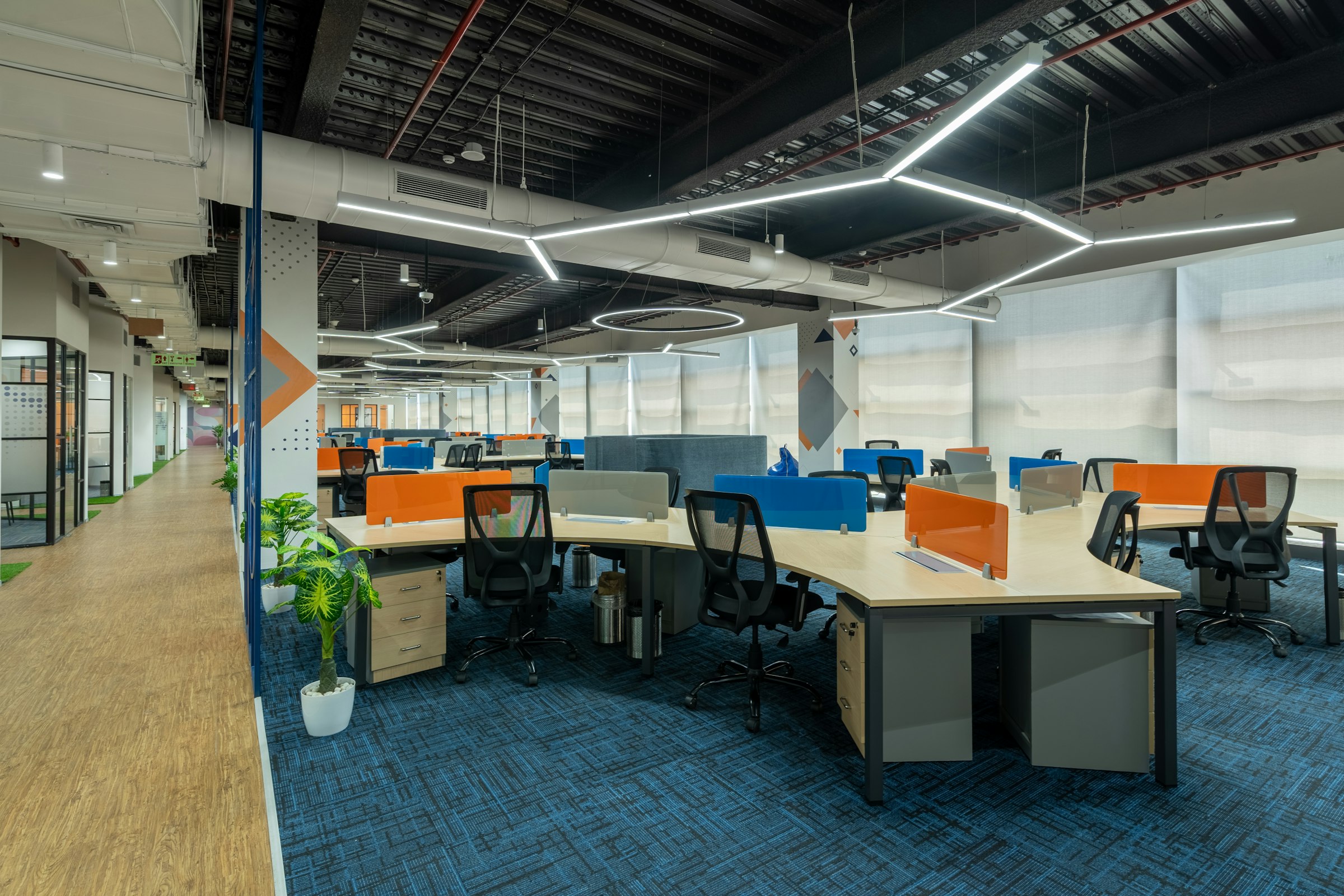
A warm shell viewing takes about twenty minutes. The floor is empty, the light is good, the agent points out the column grid and the view, and everybody agrees it will work. The lease that follows commits an occupier for five or nine years to a set of assumptions nobody wrote down.
Technical due diligence is where those assumptions get tested, and it is the cheapest work in a project by a wide margin.
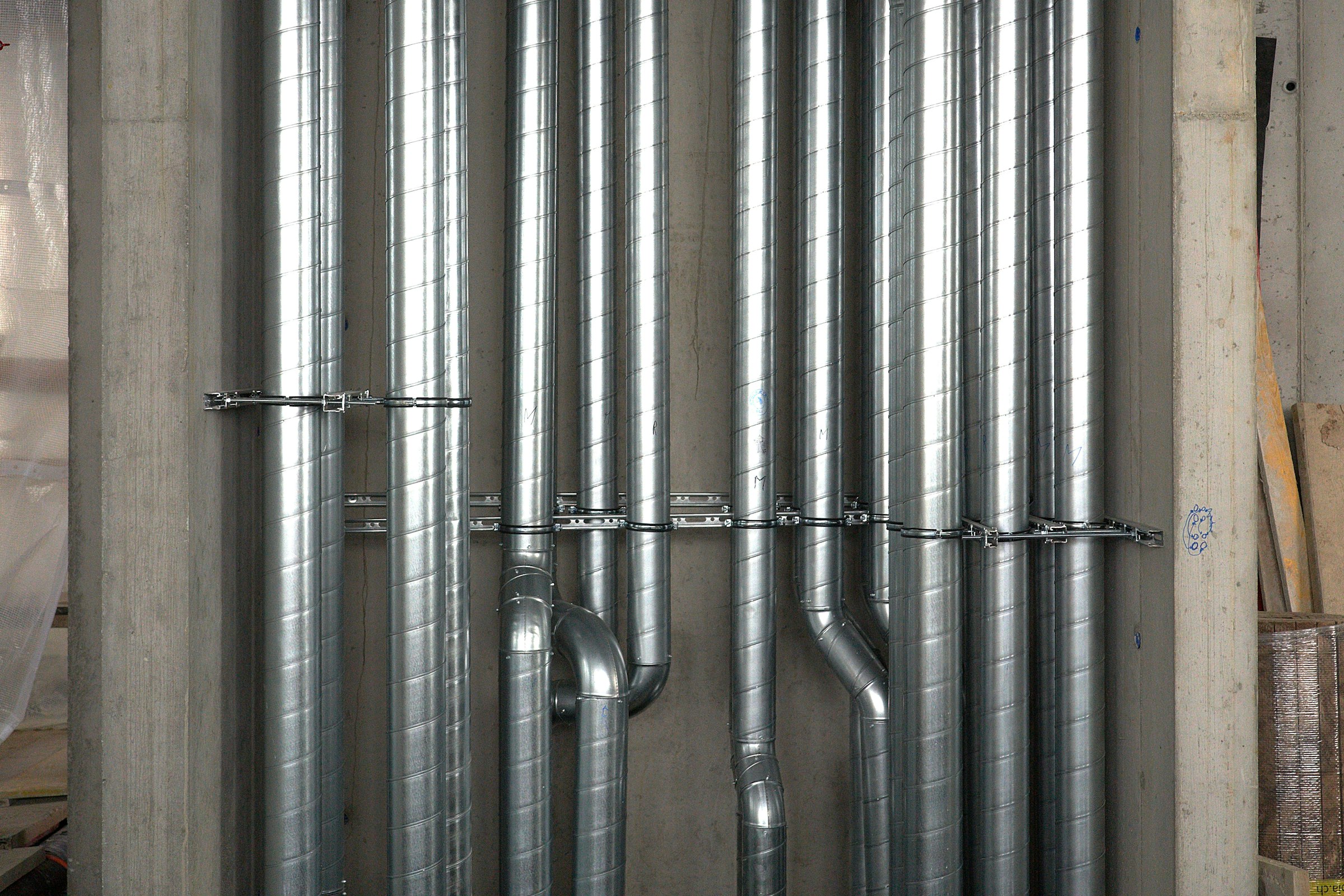
You inherit the riser
Whatever is in the building’s risers on the day you sign becomes your constraint for the length of the lease. Spare capacity in the electrical riser decides whether you can add a second UPS room in year three. Spare capacity in the plumbing stack decides whether the pantry can go where the plan wants it. Neither is visible on a viewing, and neither is negotiable afterwards.
We open panels. We ask for the single line diagram, the as-built drawings and the commissioning records, and we read what comes back rather than filing it. Where records do not exist, and in older stock they often do not, that absence is itself a finding and it belongs in the negotiation.
The five questions that change a deal
Every building is different. These five come up almost every time.
What is the actual cooling capacity available to this floor, measured at design conditions in the hottest month, and how much of it is already committed to other tenants? A number on a landlord’s specification sheet is a starting point, not an answer.
How is the floor’s power fed, what is the diversity assumption behind it, and what happens to it when the building is fully let? Density assumptions written for a call centre and a trading floor look nothing alike.
What does the fire strategy assume about occupancy and compartmentation, and does the layout you are planning still comply with it? Open plan at high density has a way of colliding with a strategy written for cellular offices.
Where does the fresh air come from, what filtration is on it, and can the plant hold the rate you need at your headcount?
What is genuinely handed over, in writing, on day one? The difference between a warm shell and a bare shell is worth more than most rent negotiations, and it is frequently left ambiguous in a term sheet.
Do it before the lease, not after
Due diligence run after signing produces a list of problems. Run before signing, the same list is a set of levers: a rent-free extension, a landlord works schedule, a capital contribution, or the confidence to walk away and look at the building next door.
The work takes a couple of weeks and costs a fraction of one month’s rent on the floor in question. We have yet to see it fail to pay for itself, and we have seen it save an occupier from a building that could never have carried what they intended to put in it.
You inherit the riser
whether you looked at it or not.
What we hand over
A short report, written to be read by a property team rather than an engineer, that says what the building is, what it is not, what it will cost to bridge the gap, and which items belong to the landlord. Then a conversation about whether this is still the building.