Sustainability
Sustainable workplace development.
We believe in helping society transition to a low-carbon economy and supporting sustainable activities.
What the design is held to
Seven guidelines we set.
The new workplace design should be conscious of an organisation’s ESG goals and provide a healthier workplace to its employees.
Reduce water consumption
Through efficient water use and recycling systems.
Improve energy efficiency
Through greater penetration of natural light, LED-based intelligent lighting, motion sensors and other smart solutions.
Maintain indoor air quality
Through appropriate air-conditioning design and material selection, in line with LEED guidelines for an energy-efficient and sustainable environment.
Eliminate paper and plastic cups
To reduce waste and environmental impact.
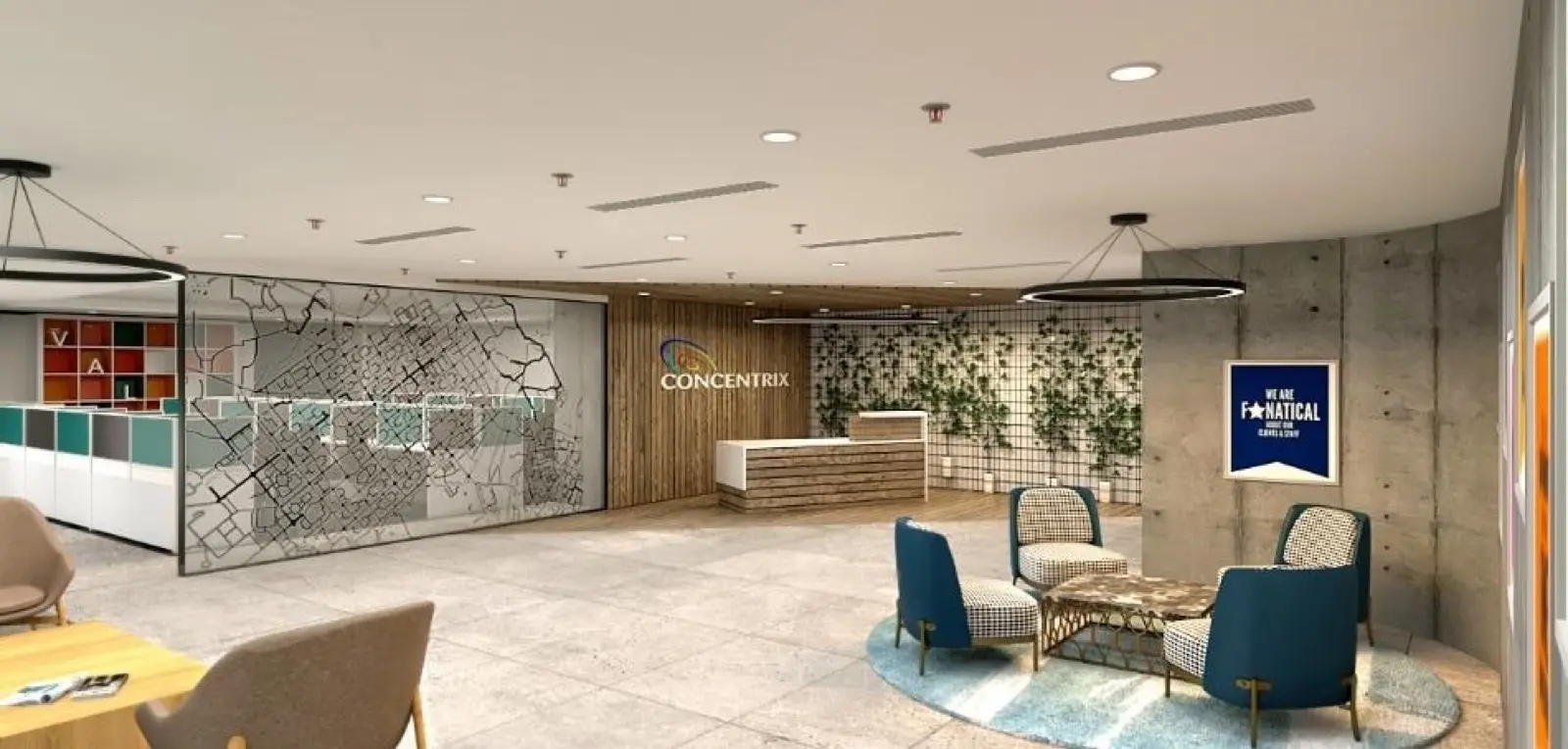
Introduce indoor greenery
To support biophilic design principles and enhance the workplace environment.
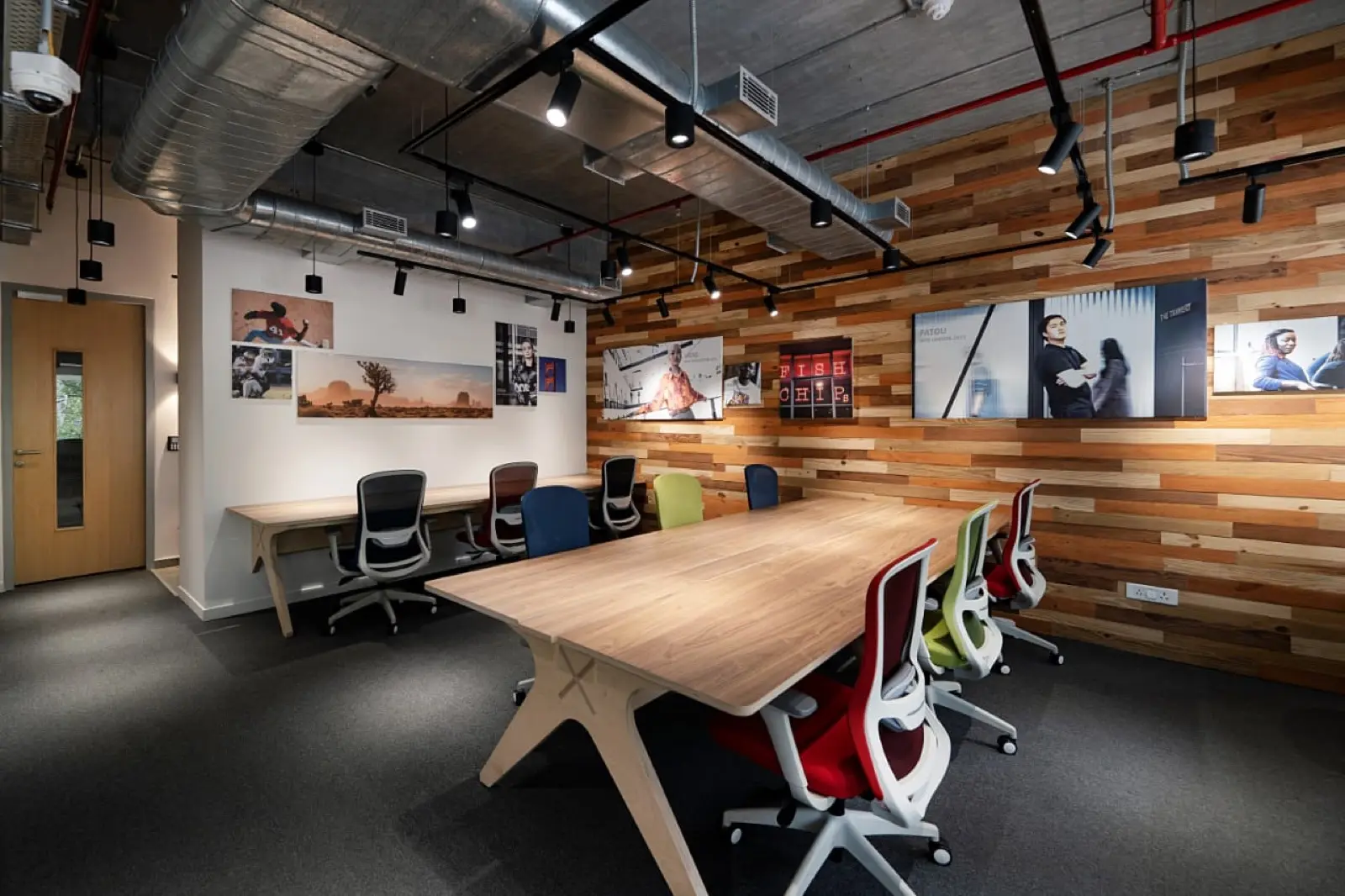
Ensure ergonomic standards
For furniture and workplace accessories, including monitor arms, lockers and other support elements.
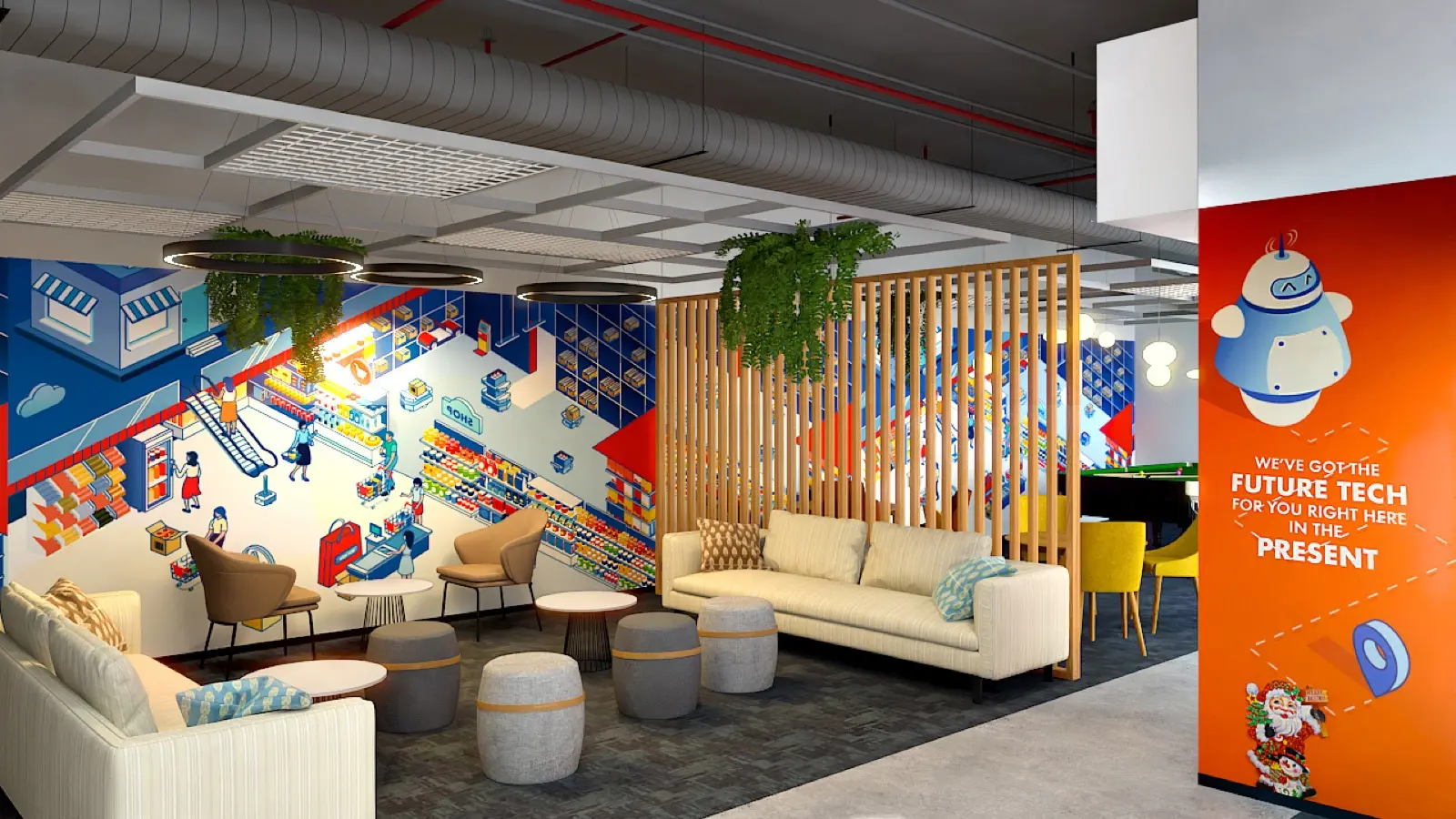
Provide amenities for mental well-being
Through recreational activities such as Scrabble boards, snooker tables and other informal engagement spaces.
Workplace development · Wellness
Five pillars, one workplace.
- 01
Sustainable workplace development
Bringing nature and daylight inside.
- 02
Energy efficiency
Using daylight sensors and smart lighting.
- 03
Material selection
Use of eco-friendly materials.
- 04
Indoor air quality
Monitoring indoor air quality and temperature.
- 05
Positive impact
On employee well-being and productivity.
Compliance · WELL and LEED
Measures taken to ensure LEED and WELL compliance.
Building systems
- Occupancy sensors provided in enclosed rooms and work halls
- Daylight harvesting sensors provided
- Sensor-based lighting
- VFDs provided for AHUs
- VAVs provided for air distribution
- Use of sensors to measure energy consumption
Air and materials
- Bipolar ionisation and HEPA filters provided to ensure better indoor air quality
- Low-VOC paints and adhesives to be used
- Products with high recycled content and easily recyclable products selected
- Recycling and disposing of construction waste to be closely monitored
- Recycle bins provided at easy-to-access locations
People
- Indoor biophilia seamlessly integrated as part of the design
- Shower cubicles provided for every 100 seats for users travelling by bicycle
- Active furnishing and gym provided
- Keen attention paid to visual and physical ergonomics
- Ease of accessibility