Sustainability
Green certification is now a leasing decision
Most GCC leasing in India this year went into green-certified buildings. That moves certification out of the annual report and into the site search.
For most of the last decade, green certification in Indian offices was a reporting matter. It appeared in the annual review, it earned a plaque near the lift lobby, and it rarely decided which building a company signed for.
That has changed. The overwhelming majority of global capability centre leasing in India this year went into green-certified buildings. When a certificate becomes a filter on the site search, it stops being a sustainability question and becomes a real estate one.
Certification is a building decision before it is a fit-out decision
An occupier can pursue an interiors certification in almost any building. What they cannot do is fix a base building that was never designed for it.
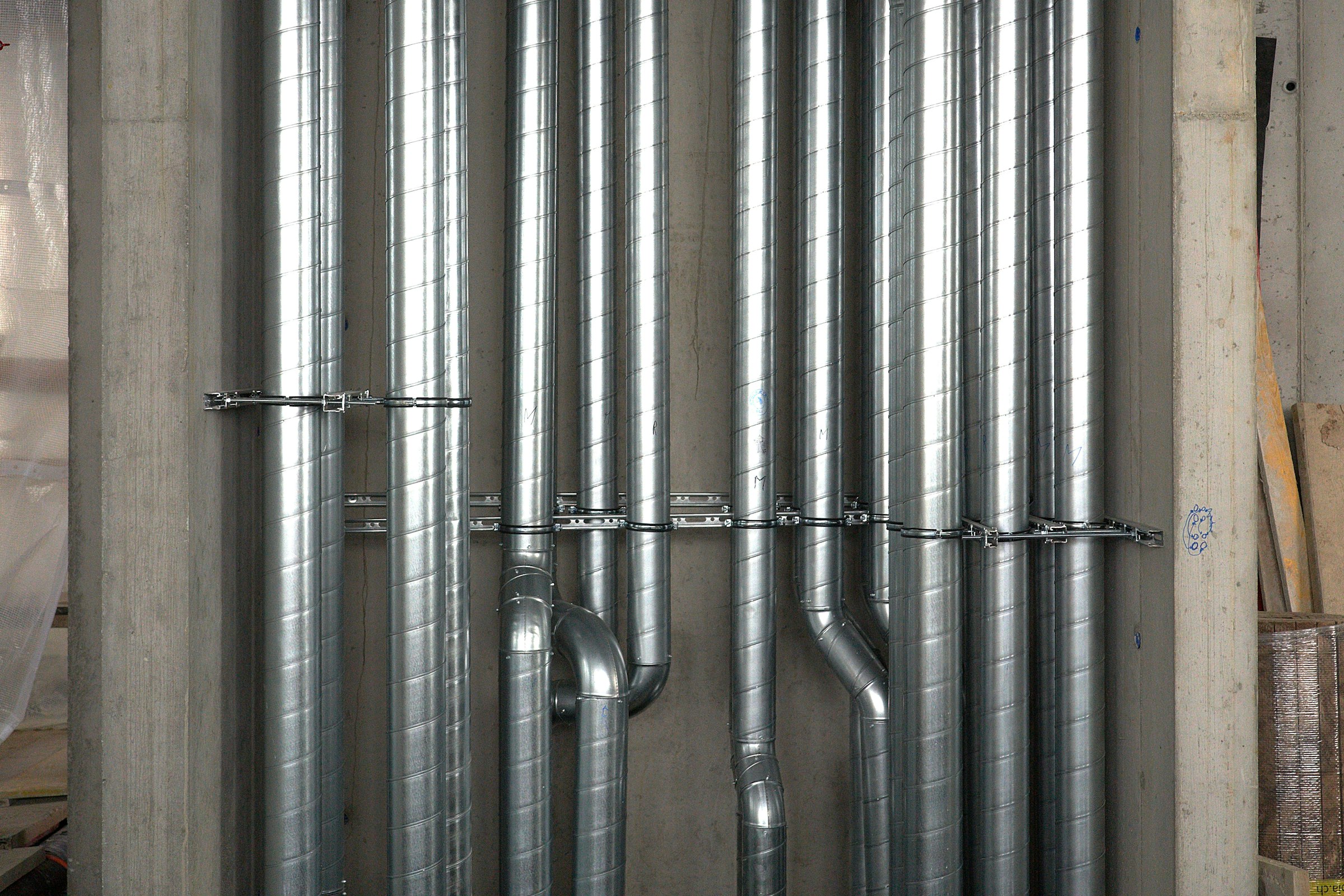
Fresh air is the clearest example. Ventilation rates above the local code are among the most reliable ways to earn credits, and they are set by air handling capacity that belongs to the landlord. If the plant will not deliver the air, no amount of specification inside your demise will produce it. The same is true of metering. A building that cannot separate your consumption from your neighbour’s cannot give you the data that a performance-based certification will eventually ask for.
This is why we read certification questions during site selection rather than after. By the time a lease is signed, most of the expensive answers have already been given.
What actually moves the score
Sixteen measures show up on nearly every fit-out we run. Three of them do most of the work.
Metering and controls come first. Sub-metering by system, and controls that respond to occupancy and daylight rather than to a timeclock, do more for measured performance than any material substitution. They are also the measures that keep working in year five, which is when the difference between a certified building and a performing one becomes visible.
Air quality comes second. Low-emitting materials, a proper flush-out before occupancy, and filtration matched to the city the building actually stands in. In several Indian markets the outdoor air is the dominant variable, and a specification written for a cleaner airshed will underperform in use.
Water is third, and it is the one most often left to the base building by default. Fixture selection inside the demise is straightforward, cheap, and among the easiest credits available.
The gap between certified and performing
Certification measures design intent and, in the better standards, some period of operation. It does not measure whether the building was commissioned properly, whether the controls were left in automatic, or whether somebody propped open a door to the plant room in the second summer.
We treat commissioning and handover documentation as part of the sustainability scope, not as an administrative tail. A control strategy that nobody on the facilities team understands will be overridden within a year, and the building will quietly return to running the way the contractor left it.
A plaque in the lobby
is not a performance record.
What to ask for
Ask the landlord for the base building certification and the commissioning reports, not just the certificate. Ask what is metered and at what granularity. Ask what the air handling plant will actually deliver at your density, in the month the city is hottest.
If those answers are not available, that is an answer too.